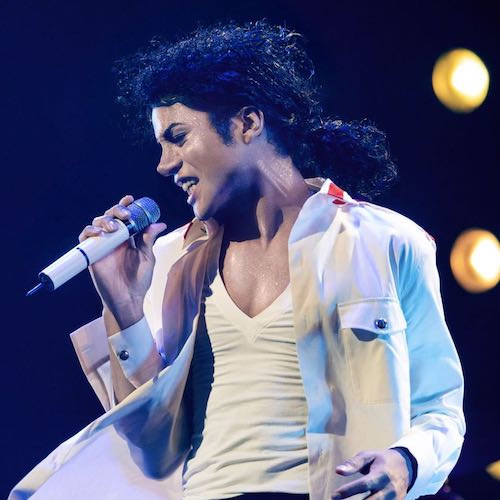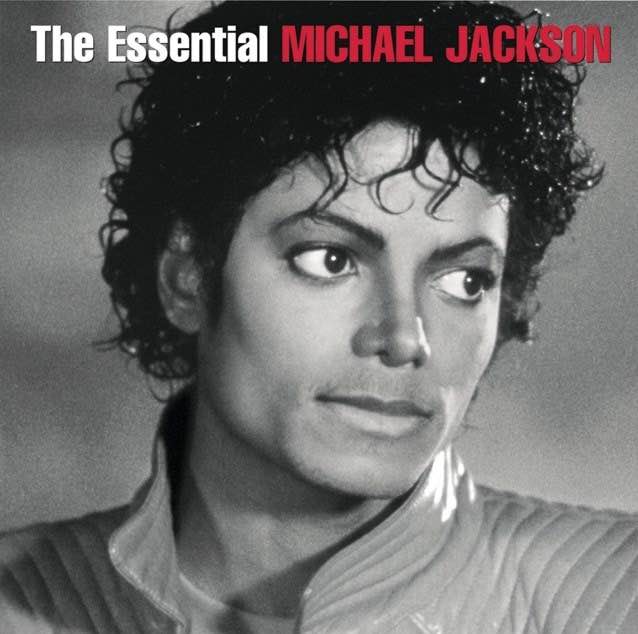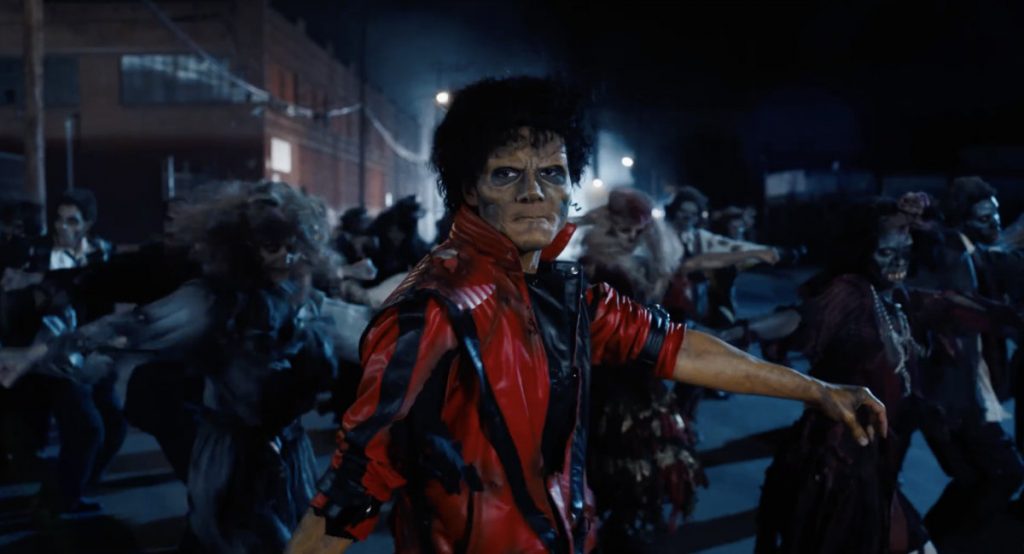

After years of anticipation, Michael has finally arrived — and as a fan, this was always going to be a film watched with high expectations.

The strongest aspect of the film is without question the performance from Jaafar Jackson. His portrayal of his uncle is genuinely impressive, capturing the voice, movement, and presence in a way that feels authentic rather than imitated. There are moments throughout the film where the line between performance and reality feels incredibly thin. Alongside him, Colman Domingo delivers a powerful and intense performance as Joe Jackson, adding weight to the complicated father-son dynamic that the film leans heavily into.
Rather than telling Michael Jackson’s story in depth, Michael often feels like a “greatest hits” montage, moving quickly from one moment to the next without allowing key periods to fully breathe.
Important chapters of Michael’s life are either rushed or entirely absent. His early years are skimmed over far too quickly, the Motown audition is missing and significant milestones — such as his role in The Wiz where he first meets Quincy Jones — are missing, despite their importance in shaping the Off the Wall album. Influential figures like Diana Ross do not appear, and his manager Frank DiLeo are completely absent from the narrative.
What makes that omission even more noticeable is that the film instead places focus on John Branca, whose role becomes increasingly prominent in the later parts of the film. While Branca was undeniably important, the imbalance feels odd — particularly given Frank DiLeo’s central role during the Thriller era.
Even when the film does turn its attention to the Jackson family, it simplifies things to the point of inaccuracy. The portrayal gives the impression that Michael had only one sister, La Toya Jackson.
Cultural moments are also underdeveloped. The impact of Motown 25 is brushed past without exploring its role in launching the Thriller phenomenon and the impact it made in America, and there is no depiction of the famous call from Fred Astaire — something Michael himself once described as one of his proudest moments. The unprecedented success of Thriller, including awards and global recognition, is condensed into brief glimpses rather than explored as the defining moment it truly was.
Beyond performance and milestones, some of the most defining decisions of Michael’s career are completely missing. There is no mention of his acquisition of the Beatles’ publishing catalogue from Paul McCartney — a landmark business move that demonstrated his vision beyond music. Equally surprising is the absence of Neverland, his iconic home, which became a central part of his identity and public image. Leaving out both moments removes key insight into Michael not just as an artist, but as a global figure shaping his own legacy.
Beyond the timeline, the film also misses some of the more personal and nuanced aspects of Michael’s character. His perfectionism in the studio, his relentless dedication to dance, and his well-documented shyness are largely absent. His health conditions, including Vitiligo and Lupus, are only briefly acknowledged, leaving an incomplete picture of the challenges he faced.
Instead, the film places much of its focus on Michael’s relationship with his father and his desire to break away from the Jackson family. While this is an important part of his story, the heavy emphasis on this theme comes at the expense of other equally significant elements of his life and career.
In the end, Michael is an enjoyable and well-acted film, elevated significantly by Jaafar Jackson’s standout performance. However, it ultimately feels rushed and incomplete. Michael Jackson’s life and legacy are simply too BIG to be condensed into a single film with this approach.
According to the end credits “His Story Continues…”.